Falls can happen for many reasons, including hazards around the home and changes in strength, balance, vision, or medicines. Poor lighting, slippery surfaces, clutter, and uneven flooring can all make everyday movement more difficult.
This room-by-room guide covers most common hazards to look for and simple ways to make the home safer. Anyone who has fallen or regularly feels unsteady should speak with a healthcare professional.

How Can You Make Stairs Safer?
Stairs can become more difficult to use when lighting is poor, steps are damaged, or handrails are loose.
To make stairs safer:
- Keep steps clear of clutter.
- Repair loose carpet or damaged flooring.
- Improve lighting from top to bottom.
- Make sure handrails are secure.
- Avoid carrying items that block the view of the steps.
- Consider contrasting step edges if visibility is a concern.
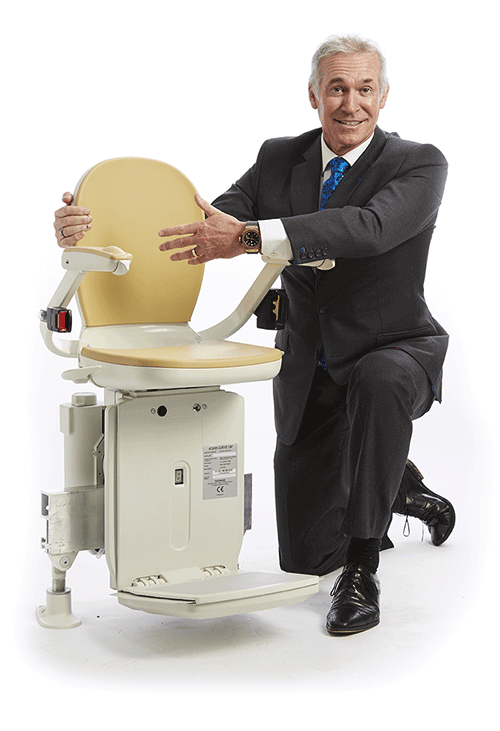
If stairs remain difficult to manage, a straight stairlift or a curved stairlift may reduce the need to climb them on foot.
Learn more about how stairlifts work.
What are the Main Bathroom Fall Hazards?
Water and smooth surfaces can make the bathroom particularly slippery.
Consider:
- Properly installed grab rails.
- Slip-resistant bath or shower surfaces.
- Keeping toiletries within easy reach.
- A shower seat if standing is difficult.
- Night lights for nighttime visits.
Towel rails should not be used as grab rails unless they have been specifically designed and installed for that purpose.
How Can You Make Bedrooms and Living Areas Safer?
Loose rugs, cables, clutter, poor lighting, and awkward furniture can create trip hazards.
To reduce them:
- Keep walking routes clear.
- Secure or remove loose rugs.
- Keep cables away from walkways.
- Add nightlights between the bedroom and bathroom.
- Keep frequently used items within reach.
- Choose stable seating that is easy to get in and out of.
How Can You Reduce Kitchen Fall Hazards
Spills, loose mats, and items stored out of reach can make kitchens more difficult to navigate.
Helpful changes include:
- Cleaning spills promptly.
- Keeping frequently used items within easy reach.
- Storing heavier items on lower shelves.
- Removing loose or curling mats.
- Keeping the main walking route clear.
- Avoiding chairs or unstable stools when reaching high cupboards.
How Can You Make Outdoor Areas Safer?
Paths and outdoor steps can become slippery or uneven because of rain, leaves, moss, loose surfaces, or general wear.
Check that:
- Paths are clear and in good repair.
- Steps have secure handrails where needed.
- Entrances are well lit.
- Mats are low-profile and slip-resistant.
- Areas where water collects are addressed.
If outdoor steps remain difficult to use, an outdoor stairlift may provide another way to access an entrance or outdoor area.

Quick Home Fall Safety Checklist
Walk through the home and check:
- Are stairs and walking routes clear?
- Are handrails secure?
- Is lighting adequate, including at night?
- Are loose rugs removed or secured?
- Are bathroom surfaces slip-resistant?
- Are grab rails installed where support is needed?
- Are frequently used items easy to reach?
- Are outdoor paths and steps clear and well maintained?
A "No” answer identifies an area worth reviewing. Even small changes, such as improving lighting or clearing a walkway, can help make everyday movement safer.
FAQs
What are common fall hazards at home?
Common hazards include loose rugs, poor lighting, slippery surfaces, clutter, uneven flooring, damaged steps, and unsecured handrails.
How can stairs be made safer?
Keep the staircase clear, repair damaged flooring, improve lighting, and make sure handrails are secure. If stairs are still an
Can a stairlift help reduce fall risk on stairs?
A stairlift reduces the need to climb or descend the staircase on foot. Safe use and the ability to get on and off the stairlift remain important.
When should home safety be reviewed?
Review the home after a fall or near miss, or whenever mobility, vision, health, medicines, or living arrangements change.
Making the Home Easier to Navigate
Fall prevention often starts with simple changes: clearer walking routes, better lighting, secure flooring, and easier access to frequently used areas.
If stairs remain difficult, an Acorn stairlift can provide another way to move between floors.
Request a free stairlift survey to discuss the staircase and the available options. The survey is free and comes with no obligation.
Sources and Further Reading
Acc: Preventing falls for people over 65